

The Hidden Cost of Cheap Parts
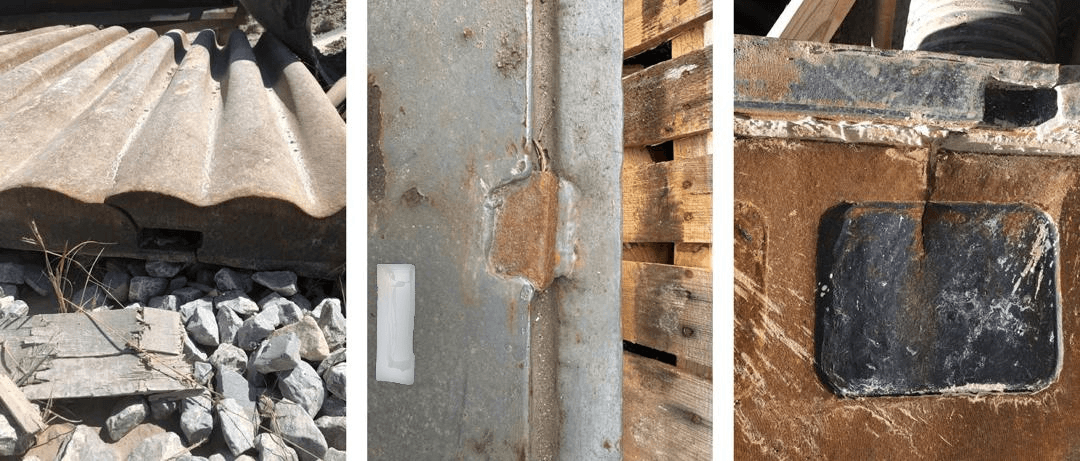
When a liner is manufactured from low quality components or less than ideal foundry practices are used, the real damage compounds quickly:
- Unplanned downtime halts the entire crushing circuit, not just the jaw
- Sub-standard liners may cause secondary damage to bearings, shafts, and toggle seats through shock loading
- Inconsistent wear alters the closed-side setting mid-campaign, undermining product shape and crusher efficiency
- Degraded geometry forces the machine to consume more fuel and energy to maintain throughput
Why Manganese Grade Matters
Manganese steel defines how jaw plates, cheek plates, and toggle seats perform under sustained impact and abrasion. Its work-hardening properties extend wear life considerably, though not all grades perform equally.
Standard 13% manganese suits medium-abrasion, moderate-impact applications, while higher-alloy 18% and 22% manganese grades deliver superior performance in hard rock quarrying, primary crushing of granite or basalt, and demolition recycling.
Premium grades with chromium and molybdenum additions further resist abrasion and cracking under repeated shock loading.
While unit price is one factor selecting a grade suited to the application has a greater influence on overall plant performance and operating cost. Precision Fit and Wear Life
Dimensional accuracy and proper engineering are fundamental to efficient operation. Jaw liners and cheek plates that do not conform to OEM specifications introduce stress concentrations that the machine’s frame and drive components were never designed to absorb, accelerating wear on toggle seats, bearings, and housings, and creating safety risk during maintenance. Quality parts engineered to meet or exceed OEM specifications protect the capital asset beneath the crushing chamber and extend intervals between service events.
Wear life is best measured in tonnes processed per millimetre of liner wear. Parts manufactured from appropriately graded manganese steel, cast with controlled microstructure and inspected to ISO 9000 certified standards, deliver extended wear-life and more predictable wear profiles, resulting in fewer change-outs per year and significantly lower lifecycle costs.
Reliability as a Strategic Asset
Operational consistency directly affects contract compliance, aggregate certification, and commercial reputation. Inconsistent product sizing from worn or poorly manufactured jaw plates impacts the machines that are downstream. This can jeopardise compliance with regional aggregate requirements and trigger quality assurance failures. An unplanned shutdown creates a cascade of delays across haulage, processing, and disposal schedules that is costly to unwind.
Reliable jaw crusher parts are therefore not just a maintenance consideration. They are a foundation of operational risk management. The ability to run planned maintenance cycles, predict parts consumption, and avoid unscheduled downtime is a competitive advantage in any volume crushing environment.
Speak to a WearKraft Specialist
.tmb-425x.png?sfvrsn=2579a06f_2)